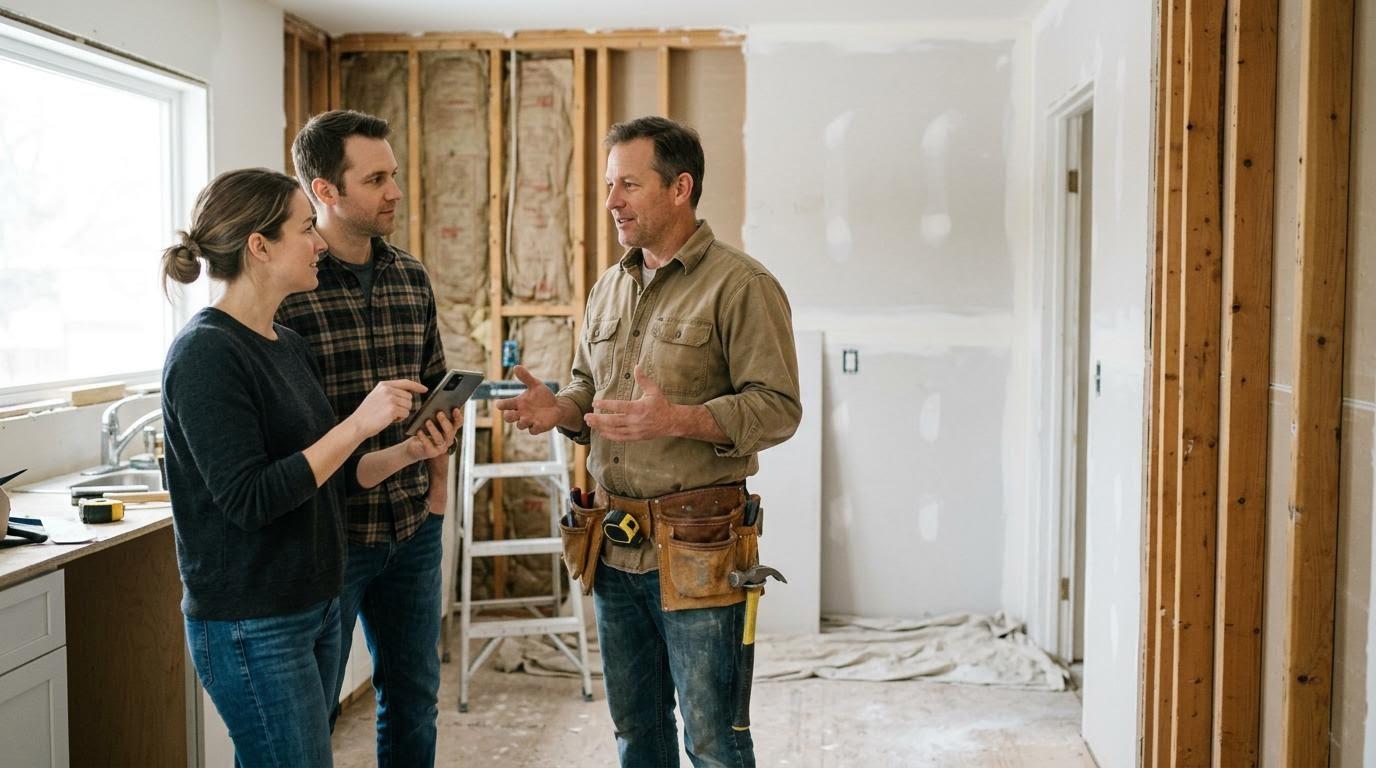
To verify a contractor, check their license with the agency that issued it. Ask the contractor for their license number and the issuing agency, then search that number on the agency's official lookup site and confirm that the name, license type and status match and that the license is active. In states that license contractors statewide, such as California, Washington and Virginia, one state search covers everyone. In states that leave licensing to cities or counties, such as New York, you check with the local office instead. You can start from our contractor license lookup tool, which links to the right official search for each state.
Why check a contractor's license before you hire
A license check takes a few minutes and tells you whether the business has met the state's requirements, which can include experience, exams, a bond, insurance and workers' compensation. It also shows problems an estimate will not: an expired license, a suspension or a disciplinary record.
Some official searches show more than status. California's CSLB lookup shows the classifications, contractor bond, workers' compensation coverage and complaint disclosures. Washington's L&I lookup shows bond and insurance, workers' comp account status, citations and lawsuits against the bond. Virginia's DPOR search lists disciplinary actions, and Illinois's IDFPR lookup shows whether a licensee has ever been disciplined.
If a contractor is not licensed, the protections that come with a license, such as a bond in states that require one, may not be there when something goes wrong. Check before you sign or pay a deposit.
How to check a contractor license, step by step
- Get the details in writing. Ask for the business's legal name, license number and the agency that issued it. A licensed contractor should be able to give you all three without hesitation.
- Find the right agency. Electrical, plumbing and HVAC work is often licensed by a different board than general contracting. In Texas, for example, electricians and HVAC contractors are licensed by TDLR and plumbers by TSBPE.
- Search by license number first. A number search returns one exact record. If you only have a name, search by business name and also by the owner's name.
- Match every detail. The business name, owner or qualifier, address and phone should match what the contractor gave you.
- Check the status and expiration date. Only an active, current license lets the contractor work.
- Check the classification. Make sure the license covers your type of job. A specialty license does not cover a whole-house remodel.
- Check bond, insurance and discipline where the lookup shows them, and ask for an insurance certificate sent directly from the insurer.
Official contractor license lookup sites in the 15 biggest states
| State | Agency | Official lookup |
|---|---|---|
| California | Contractors State License Board (CSLB) | CSLB Check a License |
| Texas | TDLR (electrical, HVAC); TSBPE (plumbing) | TDLR License Search; TSBPE search |
| Florida | DBPR (CILB and ECLB) | DBPR license search |
| New York | No state license; NYC DCWP (home improvement), NYC DOB (trades) | NYC DCWP search; NYC DOB search |
| Pennsylvania | Attorney General (home improvement registration); Philadelphia L&I | AG HIC search; Philadelphia licensed contractors |
| Illinois | IDFPR (roofing); IDPH (plumbing) | IDFPR license lookup; IDPH plumber verification |
| Ohio | Ohio Construction Industry Licensing Board (OCILB) | OCILB license lookup |
| Georgia | Secretary of State licensing boards | Georgia SOS verification (address not verified) |
| North Carolina | NCLBGC (general); NCBEEC (electrical); Plumbing, Heating and Fire Sprinkler Board | NCLBGC search; NCBEEC search; Plumbing board search |
| Michigan | LARA Bureau of Construction Codes | LARA license lookup |
| New Jersey | Division of Consumer Affairs; DCA (new home builders) | NJ license verification; NJ builder search |
| Virginia | DPOR Board for Contractors | DPOR License Lookup |
| Washington | Department of Labor & Industries (L&I) | L&I Verify a Contractor |
| Arizona | Registrar of Contractors (ROC) | ROC contractor search |
| Tennessee | Board for Licensing Contractors | verify.tn.gov (address not verified) |
The Ohio, Georgia and Tennessee addresses come from search results because the official sites could not be opened during research, so confirm them from the agency's home page. Philadelphia's licensing department has said the Attorney General's home improvement registration system is currently down for new registrations and renewals, which can affect search results. For other states, open the state's license lookup page, for example California license lookup or Florida license lookup, or use the lookup tool.
Contractor license number lookup tips
- Search the number exactly as issued. California license numbers are up to 8 digits. Enter the number exactly as shown on the contractor's paperwork.
- Try other search fields. Washington lets you search by name, license number, workers' comp account or UBI number. North Carolina's general contractor board also searches by qualifier number and phone number.
- Check every license involved. A general contractor's license does not cover the electrician or plumber on your job if the state licenses those trades separately.
- Check historic records. Florida's search can include historic licenses, useful if a contractor changed business names.
What license statuses mean
Each agency uses its own labels. These meanings come from official definitions or statutes:
| Status | What it means | Can they work? |
|---|---|---|
| Active / Current | License is valid and renewed. In California, bond and workers' comp are on file | Yes, within their classification |
| Inactive | Still licensed, but the holder chose inactive status. In California, not permitted to bid or perform work | No |
| Expired | Not renewed by the deadline. California treats the holder as unlicensed from the expiration date; Arizona suspends the license the next business day | No |
| Suspended | License may not be used, for example when workers' comp lapses in California or a bond or insurance is cancelled in Washington | No |
| Probation | Licensed under a disciplinary order; in Florida, may contract subject to the order's conditions | Yes, with conditions |
| Revoked | License taken away through discipline | No |
| Inoperative (Illinois roofing) | No active qualifying party on the license | No roofing work until a new one is approved |
Virginia adds a twist: a license in its 30-day grace period after expiry can still be renewed without reinstatement, but it is not valid during that period.
Red flags when you check a contractor license
- No license number, or a number for a different business name. Ask why. A mismatch can mean a borrowed license.
- Status is anything other than active. Expired, inactive and suspended licenses do not allow work.
- The classification does not match the job. For instance, a roofing-only license for a kitchen remodel.
- The job is priced just under the licensing threshold. California prohibits splitting a job to stay under its $1,000 limit.
- No bond or workers' comp shown where the state lookup normally lists them.
- Discipline, citations or lawsuits against the bond on the record.
- Pressure to pay a large deposit in cash before work starts. Nevada, for example, caps residential down payments at $1,000 or 10% unless the contractor posts a $100,000 consumer protection bond.
What to do in states with only local licensing
Some states do not license general contractors at the state level, so there is no single statewide search:
- New York: the state does not license home improvement contractors; New York City, Suffolk, Nassau, Westchester and other localities do. In NYC, check the DCWP search. New York law also requires a written contract for home improvement work over $500.
- Texas: there is no state general contractor license, but electricians, HVAC contractors and plumbers are licensed statewide and can be checked.
- Pennsylvania: home improvement contractors register with the Attorney General, and cities such as Philadelphia license contractors locally.
In these places:
- Call your city or county building department and ask whether contractors must be licensed or registered locally, and how to check.
- Verify any state trade licenses (electrical, plumbing, HVAC) for the trades on your job.
- Ask for proof of general liability insurance and workers' comp, and confirm it with the insurer.
- Make sure the contractor, not you, pulls the building permits.